Lines of Distance: Mapping the Ride by Hand
Today we explore analog mapping and sketchbook journals from long-distance rides, celebrating the union of paper, ink, and endurance. Expect practical methods, honest stories, and field-tested tools that keep you oriented when batteries fade, weather turns, and memory depends on lines you drew yourself.
Paper Maps That Move With You
Paper maps invite your senses into navigation, letting fingertips feel elevation breaks, margins hold decisions, and edges capture detours. When miles stretch thin, this tactile conversation strengthens recall, builds confidence, and slows panic. Here we share field habits that make hand-drawn guidance sturdy, legible, and quick to consult while wind presses the page.
Select waterproof or rain-resistant sheets, consider grid visibility in dim light, and match scale to your average hour of travel. Tear-down corner indexes help. A compact fold fits top-tube or tank bag, while a stiffer card supports quick notes at rough shoulders.
Test pens on scrap in the weather you expect. Graphite tolerates drizzle and erases cleanly; pigment liners resist UV and smearing; grease pencils write over damp film. Carry redundancy. A tiny brush pen shades relief fast, clarifying climbs when lungs and patience wobble.
Sketch a thin overview before departure: principal towns, water points, bailout stations, and elevation checkpoints. Leave generous space for later notes. Add a compass rose and a legend of symbols you actually use, so tired eyes translate marks without hesitation.

Dawn Pages at the First Light
At first light, before weather complicates intent, note resting pulse, stiffness, and overnight observations about wind. Re-skim yesterday’s lines. Set three flexible intentions: distance, curiosity, and safety. A small sketch of the horizon frames the day, keeping decisions honest when ambition outruns legs.
Margin Notes at Mile Thirty
Midday margins catch the details that vanish fastest: an unexpected patch of gravel, a steady crosswind, a rumored shortcut. Use arrows for momentum, circles for hazards, and slashes for timing. These quick marks restore context hours later, when timelines blur beneath fatigue.
Field Marks That Capture Motion
The Sixty-Second Stop
Train yourself to stop safely for sixty seconds: step off, breathe, date-stamp, draw three marks, then move. This cadence preserves flow while protecting accuracy. A kitchen timer habit during practice rides builds trust in brief, repeatable windows for field notation.
Terrain in Five Symbols
Reduce landscapes to a compact vocabulary: triangles for passes, hatched blocks for headwinds, dashed stairs for stepped climbs, dotted lines for washboard, bold chevrons for dangerous descents. Keep the legend constant across trips so your mind reads inflection, not merely decoration or novelty.
Fast Indexing for Tired Eyes
Color tabs on page edges, numbered frames, and tiny corner keys help future-you navigate tiredly. Reserve warm colors for urgency, cool for resources. Date, mile marker, and elapsed time in the same corner cement orientation when weather or darkness distort sense.
Human Stories Written Across the Route
Beyond guidance, your lines become biography. Smudges mark sudden rain; cramped letters show hunger; exuberant loops celebrate a tailwind’s gift. Weeks later, these traces revive voices of strangers and secret landscapes, reminding you why distance matters—and how generosity travels faster than machines.
The Day a Pencil Saved an Hour
I once misread a county road sign and drifted ten minutes off course. My pencil note—“bridge out rumor”—stopped me from doubling the error. That tiny line, written hurriedly beside a coffee stain, spared an hour and a storm-drenched detour.
When a Smudge Revealed a Pattern
Reviewing a notebook months later, I noticed skid marks annotated near every roadside bakery. The pattern revealed low-fuel snacking that sabotaged afternoon strength. A single smudge, circled and dated, started better fueling habits and steadier climbs across heat-glazed, wind-bruised flats.
Faces, Signatures, and Small Portraits
I ask people I meet to sign the margin or draw a quick emblem of their town. A ferry captain sketched a gull; a farmer added weather lore. These small portraits turn directions into relationships, guiding more than wheels ever can.
Scanning Without Losing Soul
Use a flatbed or a phone with even, angled light to keep tooth and shadow alive. Photograph in sections, then stitch carefully. Record paper size, pen types, and scale in file names. These details preserve context when you revisit years later.
Lining Ink With Coordinates
Align notable points from your sketch—bridges, summits, rivers—with coordinates. Overlay GPX tracks at partial opacity so ink remains the star. Discrepancies teach you how memory bends, improving future notes while honoring the honest charm of hand-drawn perspective.
Invitations, Exchanges, and Edits
Post a page and pose a question: Where would you have stopped? What landmark did I miss? Invite riders, cartographers, and artists to layer insights. Encourage swaps by mailing photocopied folios. Connection keeps pages breathing and rewards consistent, generous documentation.
From Notebooks to Shared Navigation
Sharing extends the road’s life. Thoughtful digitizing preserves textures while enabling search, overlays, and collaboration. When you pair scans with GPS breadcrumbs, you reveal not only where you went, but how it felt. Invite others to annotate, propose detours, and borrow courage.
Training Attention for Safer, Deeper Travel
{{SECTION_SUBTITLE}}
Exercises for Spatial Memory
Practice redrawing yesterday’s route from memory, then test yourself against the page. Close gaps with annotated sketches. Over time, you will anticipate junctions more accurately, hear approaching grade changes, and conserve energy by preparing your body for what lines soon confirm.
Reading Weather Like a Map
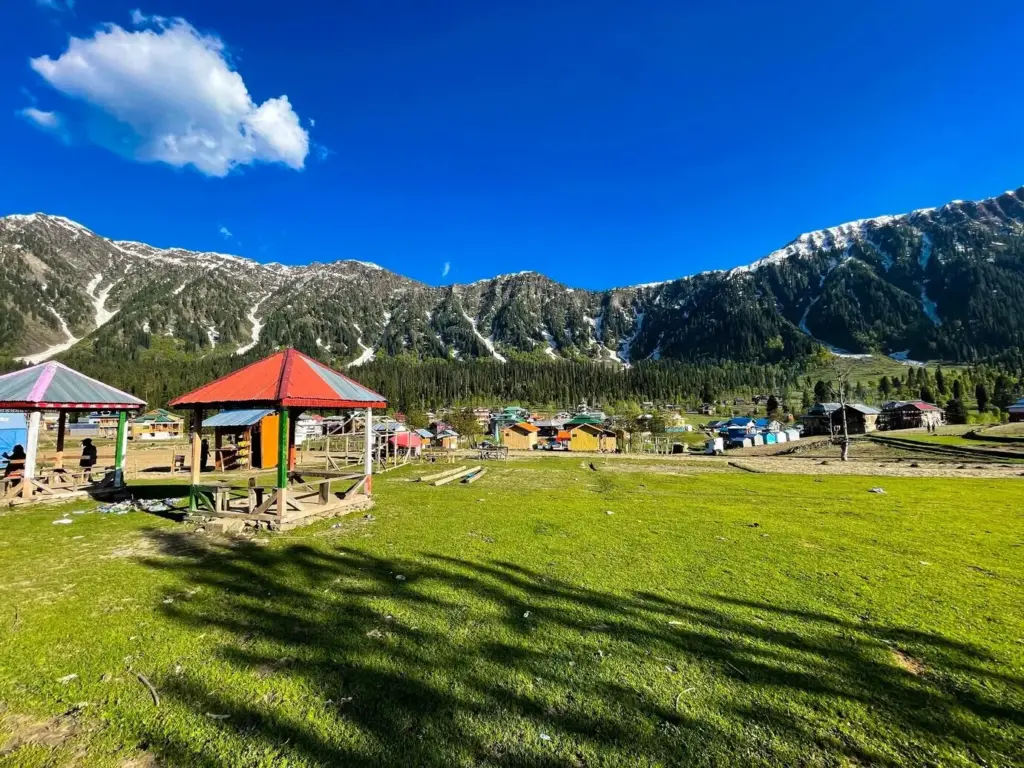
Sketch cloud layers, wind arrows, and roadside vegetation as living instruments. Trees leaning one way, cattle lying down, and sudden temperature shifts forecast mood changes ahead. Your book becomes a barometer, aligning decisions about shelter, pacing, and jackets with observations made early.